Fiber broadband expansion is happening at a remarkable pace across the United States. Almost 100 million homes can now access fiber broadband, and deployment continues to expand into new communities each year. Behind every successful deployment is a workforce with highly specialized skills, and one role has become especially difficult to fill: the cable splicer.
A cable splicer works at one of the most critical points in the network. Their work directly affects long-term performance and reliability, making them one of the telecommunications industry’s most valuable professionals.
Why Fiber Broadband Expansion Is Accelerating
The federal Broadband Equity, Access, and Deployment (BEAD) Program has committed $42.45 billion to expanding high-speed internet access throughout the United States. The goal is to improve connectivity in communities that have historically lacked reliable broadband access.
For network providers, that funding translates into new engineering, permitting, construction, and installation projects.
Fiber remains the preferred technology for many of these deployments because it provides the capacity required to support cloud computing, artificial intelligence, telemedicine, remote work, and data-intensive applications.
The Fiber Broadband Association has consistently highlighted fiber as the long-term foundation for next-generation connectivity. “Fiber broadband connects communities and powers essential infrastructure, from homes and healthcare to manufacturing and municipal services.”
The challenge is that building those fiber networks requires far more than funding. It requires people.
What Does a Cable Splicer Do?
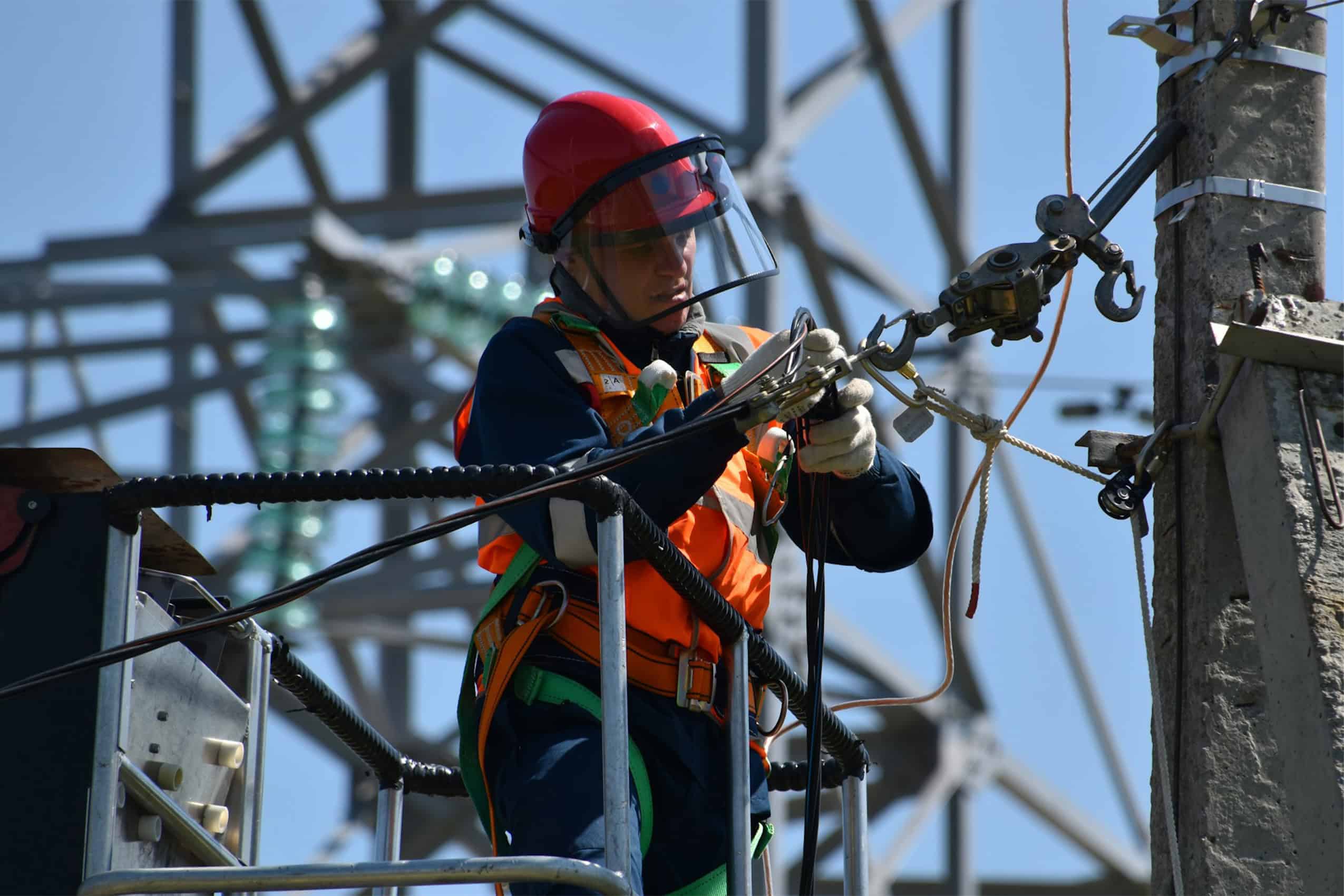
A cable splicer installs, joins, tests, and repairs fiber optic cable. The work demands technical expertise and hands-on field experience. Depending on the project, a cable splicer may perform:
- Fusion splicing
- Ribbon splicing
- OTDR testing
- Fiber troubleshooting
- Network documentation
Imagine a fiber-to-the-home deployment moving through a rural community. Engineers complete the network design. Construction crews place the infrastructure. Technicians install the cable. A cable splicer then performs the precise work that allows thousands of individual fiber strands to communicate across the network.
Without accurate splicing, even a well-designed network can experience signal loss and performance issues.
Real-World Example: Supporting Fiber Deployment at Scale
Large-scale broadband projects rarely depend on a single cable splicer or a small field crew. Success requires coordination across engineering, permitting, construction, field operations, and network deployment.
HNM Systems experienced that challenge during a large-scale fiber and small cell deployment across Southern California. The project involved supporting thousands of miles of fiber deployment and more than 1,800 small cell sites while maintaining quality standards across multiple workstreams.
Specialized teams provided:
- Fiber engineering
- GIS mapping
- Permitting coordination
- Field surveys
- Technical oversight
Projects of this size demonstrate how many moving pieces exist within modern broadband deployments. Finding skilled cable splicers is only one part of the equation. Organizations also need access to engineers, designers, project managers, and field teams who can keep complex deployments moving.
You can learn more about the project in our case study here.
Why Qualified Cable Splicers Are Becoming Harder to Find
The broadband industry faces a growing workforce shortage. According to a Field Nation poll, over 50% of respondents identified talent shortages as a serious challenge.
At Fiber Connect 2024, HNM Systems CEO, Heather Moyer, discussed the increasing talent gap affecting broadband providers across the country. Labor shortages continue to affect field operations, deployment schedules, and long-term workforce planning.
Specialized training contributes to the shortage. Fiber splicing isn’t a position that can be mastered in a few weeks. Employers often seek professionals with experience working in outside plant environments, interpreting OTDR results, following safety standards, and troubleshooting fiber networks in real-world conditions.
Talent competition adds another obstacle. Many broadband deployments operate under aggressive timelines across multiple geographic regions. Organizations frequently compete for the same group of skilled cable splicers, especially when several projects launch at the same time.
The Workforce Behind America’s Broadband Future
Cable splicers are a vital part of modern network deployment. As telecommunications providers, utilities, and infrastructure organizations scale their networks, access to cable splicers will remain a competitive advantage.
HNM Systems helps organizations build scalable teams for fiber broadband deployments through flexible workforce solutions that support every phase of the project lifecycle. To learn how we can support your next deployment, explore our Telecommunications expertise or contact our team to discuss your project requirements.